Why Hunza Sits on Every Pakistan Bucket List
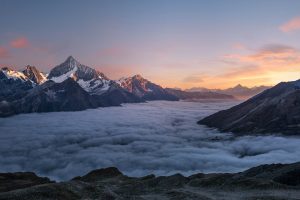
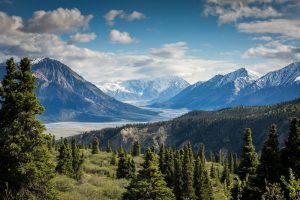
Tucked into the far north of Pakistan’s Gilgit-Baltistan region, Hunza Valley is the country’s most iconic mountain destination. Snow-capped peaks over 7,000 metres, terraced apricot orchards, ancient forts perched on cliffs, and a community famous for extraordinary longevity — Hunza is where Pakistan feels most like a fairytale. And thanks to improving roads, expanding hotel options, and a warm local welcome, it’s more accessible in 2026 than ever before.
Best Time to Visit
- April–May: Cherry and apricot blossom season — pink and white orchards everywhere, mild weather (12–20°C)
- June–August: Peak summer, ideal for high-altitude treks like Rakaposhi Base Camp and Ultar Meadows
- September–October: Golden autumn — poplars turn amber, apricots dry on rooftops, best photography light
- November–March: Snow-covered, quieter, extreme cold; only for hardened adventurers
Top Places to Visit in Hunza
1. Karimabad — The Heart of Hunza
The valley’s main town and cultural centre. Views of Rakaposhi (7,788 m) and Lady Finger Peak dominate every direction. Base yourself here for 3–4 nights.
2. Baltit Fort
A 700-year-old fort perched above Karimabad. Restored by the Aga Khan Trust for Culture, it houses a museum of Hunza’s royal history. Sunset from the fort’s rooftop is unmissable.
3. Altit Fort & Village
Older than Baltit — over 1,100 years. The surrounding village has been carefully preserved with original mud-and-stone architecture, water channels, and traditional homes.
4. Attabad Lake
Formed by a 2010 landslide, this turquoise lake is now one of Pakistan’s most photographed spots. Boat rides, jet skis, and lakeside cafés make it a full-day stop en route to Passu.
5. Passu Cones & Passu Glacier
The jagged “Cathedral Ridge” peaks of Passu are the postcard image of Hunza. A short walk from the road leads to Passu Glacier’s snout.
6. Hussaini Suspension Bridge
A rickety wooden-plank bridge over the Hunza River — famous, terrifying, and completely optional. Locals cross daily; tourists cling.
7. Khunjerab Pass (Pakistan–China Border)
At 4,693 m, one of the highest paved border crossings in the world. A 3-hour drive from Sost. Open May to November.
How to Get to Hunza
By Air
Fly Islamabad to Gilgit (45 min, PIA). Weather-dependent — flights are cancelled about 30% of the time in winter. From Gilgit, Hunza is a 2.5-hour drive.
By Road
Karakoram Highway from Islamabad — 24-hour drive through Chilas. Long but scenic. Rent a 4×4 or take a Natco/private tourist bus. Naran-Kaghan route via Babusar Top is open June–October only.
Where to Stay
- Luxury: Serena Hotel Hunza, Eagle’s Nest Hotel Duikar
- Mid-range: Hunza Embassy Hotel, Darbar Hotel
- Budget: Old Hunza Inn, Hunza View Hotel, guest houses in Karimabad from PKR 2,500/night
What to Eat
- Chapshuro: Hunza’s answer to a stuffed savoury pancake — meat, onion, tomato inside dough
- Hunza Bread: Dense, whole-grain bread with apricot oil
- Apricot dishes: Fresh, dried, in soups, and pressed into apricot oil (used for cooking and skin)
- Mulberry & walnut everything: Locally grown, in cakes, jams, and dried snacks
- Salted butter tea (chai) — an acquired taste from Central Asian tradition
Suggested 5-Day Hunza Itinerary
- Day 1: Arrive Gilgit → drive to Karimabad → sunset at Baltit Fort
- Day 2: Explore Altit Fort & village → afternoon at Duikar Eagle’s Nest for sunset over Rakaposhi
- Day 3: Attabad Lake → Hussaini Bridge → overnight Passu
- Day 4: Passu Glacier hike → Khunjerab Pass day trip
- Day 5: Return to Karimabad → shop for handicrafts & dried apricots → depart
Practical Tips
- Carry cash — ATMs exist in Karimabad but often out of service
- Mobile data works via SCOM SIM (better than jazz/zong here)
- Foreigners no longer need an NOC for most Hunza areas as of 2024
- Bring layers — 20°C at noon, 5°C at night, even in July
- Learn a few Burushaski words — locals appreciate it
- Respect local customs; Hunza is a conservative area despite its openness to tourists
Final Word
Hunza is not just a destination — it’s a place that recalibrates your sense of scale, hospitality, and time. Whether you spend three days or three weeks, you’ll leave planning your return.